
Flu Vaccine Side Effects: What Is Normal, What to Expect, and When to Seek Help
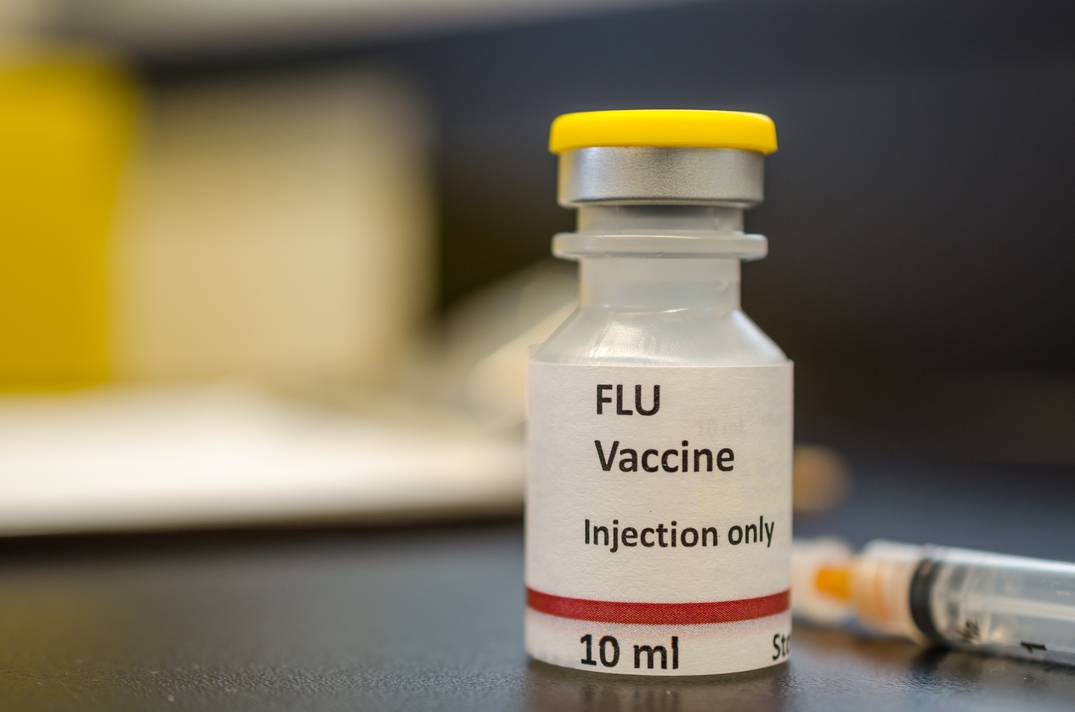
Most flu vaccine UK side effects are mild and settle within one to two days, typically as a sore arm, tiredness or a slightly raised temperature, and serious reactions are very rare. Knowing what to expect beforehand makes it much easier to tell a normal reaction from something that needs urgent attention.
What Are the Normal Flu Vaccine Side Effects?
Normal flu vaccine side effects are short-lived, mild reactions as your immune system responds to the vaccine, rather than a sign that anything has gone wrong. They tend to affect either the injection site or your whole body for a day or two.
Common Physical Reactions
You may notice a few mild symptoms after your flu vaccination. The most common reactions include:
- A sore arm flu jab reaction is the most frequently reported side effect, often with mild swelling or redness where the needle went in.
- Flu vaccine fatigue, or feeling more tired than usual for a day or so.
- A flu jab headache, mild fever or aching muscles and joints.
- Children given the nasal spray version may get a blocked or runny nose instead.
How Long Side Effects Usually Last
Most flu shot side effects clear up within one to two days without treatment. If soreness or tiredness continues for noticeably longer, or your symptoms start getting worse rather than better, speak to a pharmacist for advice.
How to Manage Common Flu Vaccine Side Effects
Most mild side effects do not need treatment, but simple measures can make you more comfortable. Keeping the arm moving gently and using a cool, damp cloth over the injection site may help with soreness or swelling. If you need pain relief, a pharmacist can advise on a suitable option.
Why Mild Side Effects Are Nothing to Worry About
A mild flu vaccine reaction does not mean that you have caught the flu. It is usually the result of your immune system responding to the vaccine.
Injected flu vaccines used for adults contain inactivated virus, so they cannot cause flu. The nasal spray given to children contains a weakened form of the virus and does not cause flu in healthy children either.
When to Seek Help After a Flu Vaccine
Serious reactions to the flu vaccine are rare and closely monitored by the MHRA, but knowing the warning signs means you can act quickly if something isn’t right. A severe allergic reaction, known as anaphylaxis, usually develops within minutes of vaccination, which is why you’re often asked to wait briefly after your jab.
- Difficulty breathing, wheezing or a tight throat.
- Swelling of the face, lips or tongue.
- A fast heartbeat, dizziness or fainting.
- A widespread rash or hives appearing suddenly.
If any of these symptoms develop, treat them as a medical emergency and call 999 immediately. Extremely rare neurological reactions, including Guillain-Barré syndrome, have also been reported after vaccination. However, evidence of a link is limited, and any confirmed risk is very small.
Book Your Flu Vaccine at Ham Pharmacy Group
Knowing what to expect after your flu jab can make the experience feel more straightforward. Our pharmacists can answer your questions before vaccination and advise you if you are unsure about any symptoms afterwards.
Ham Pharmacy Group offers NHS and private flu vaccination appointments at all three of our pharmacies, with clear advice on what to expect after your jab. Book your flu jab today and get protected ahead of the flu season.