
Rabies Vaccine for Travellers: Do You Really Need It and What Does the Course Involve?
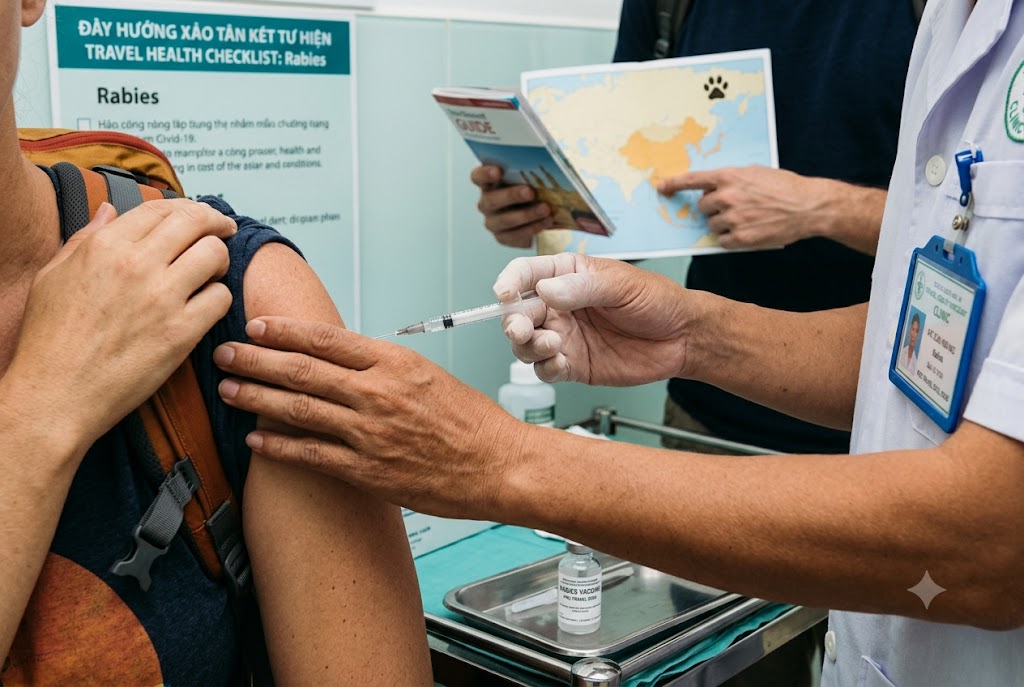
Planning a trip to Asia, Africa, or South America? Then the rabies vaccine deserves a place on your pre-travel checklist. Rabies is almost always fatal once symptoms appear, yet it is entirely preventable with the right vaccination before you fly. The trouble is, most travellers are not sure whether they actually need it, how many doses are involved, or when to start.
If that sounds like you, you are in the right place. In this blog, we will know what rabies is, who genuinely needs the vaccine, what the course involves, and what to do if you are ever bitten abroad.
What Is Rabies, and Why Should Travellers Take It Seriously?
Rabies is a viral infection spread through the saliva of infected animals, usually via bites, scratches or licks on broken skin. According to the World Health Organization, it causes tens of thousands of deaths every year, mostly in Asia and Africa.
Dogs are responsible for the vast majority of human cases, but cats, monkeys, and bats can also carry the virus. Once symptoms develop, rabies is almost always fatal, which is why prevention matters far more than treatment.
Do You Really Need the Rabies Vaccine Before Travelling?
You need the rabies vaccine if you are travelling to a high-risk country, staying for more than a few weeks, or visiting areas where medical care is limited. The NHS recommends pre-exposure vaccination for anyone whose trip or activities put them at increased risk.
Destinations Where the Risk Is Higher
Rabies is found in over 150 countries, but the risk is greatest in parts of Asia, Africa, and Central and South America. Popular destinations such as India, Thailand, Bali, Vietnam and Morocco all carry a real risk. You can check your destination on TravelHealthPro, the UK government’s official travel health resource.
Activities That Increase Your Risk
Certain plans make vaccination especially sensible, including:
- Backpacking or travelling through rural and remote areas.
- Cycling, running or trekking, where dog encounters are common.
- Working with animals, or visiting caves where bats live.
- Long stays, volunteering or travelling with children, who may not report a bite.
What Does the Rabies Vaccine Course Involve?
The rabies vaccine course involves three injections given into the upper arm over a set schedule. It is a modern, inactivated vaccine, so it cannot give you rabies, and side effects are usually mild, such as a sore arm or slight tiredness.
How Many Doses Do You Need?
A full pre-exposure course consists of three doses, typically given on day 0, day 7, and day 21 to 28. This schedule provides reliable, long-lasting protection for travellers.
When Should You Start the Course?
Ideally, start your course at least four weeks before departure so all three doses are complete before you travel. Leaving it late? Speak to us anyway, as an accelerated schedule may still be possible depending on your travel dates.
What Are the Benefits of Getting Vaccinated Before You Travel?
Pre-exposure vaccination simplifies your treatment enormously if you are ever bitten. The key benefits include:
- You will not need rabies immunoglobulin, which is expensive and often unavailable abroad.
- You need fewer post-exposure doses, usually two instead of four or more.
- You gain vital extra time to reach medical care, especially in remote areas.
- You travel with genuine peace of mind.
What Should You Do If You Are Bitten or Scratched Abroad?
Wash the wound immediately with soap and running water for at least 15 minutes, then seek urgent medical help, even if you have been vaccinated. Vaccination does not remove the need for treatment after a bite, but it makes that treatment simpler, quicker and far more accessible.
Travelling Soon? Book Your Rabies Vaccine at Ham Pharmacy Group
Getting protected could not be easier. Ham Pharmacy Group offers expert, pharmacist-led travel clinics across three of our pharmacies: Ham Parade, Ham Common and Ham Village. Wherever suits you best, you will find a convenient rabies vaccine in Kingston with appointments that fit around your schedule.
We also welcome travellers looking for a rabies vaccine in Surbiton, Richmond, New Malden, Tolworth, Long Ditton, Thames Ditton, Hersham and Sunbury-on-Thames, all just a short journey from our pharmacies.
Do not wait until the week before you travel. Book your travel health consultation with us today and travel with complete confidence.