
Travelling to South or Central America: A Complete Vaccine and Health Checklist
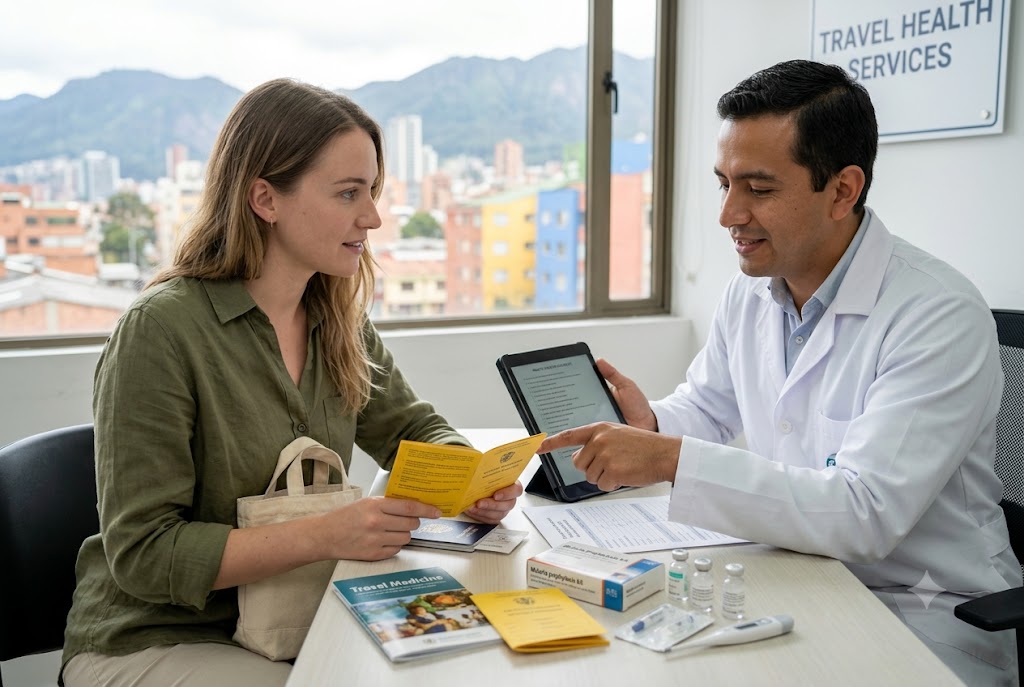
Dreaming of Machu Picchu, the Amazon or the beaches of Costa Rica? Brilliant choice, but this part of the world asks a little more of your health planning than a week in Europe. Between jungle, high mountains and tropical cities, you may need several vaccines, antimalarial medication and altitude advice before you fly.
The good news? A single travel consultation covers it all. In this blog, we will know exactly which vaccines you need for South and Central America, whether malaria tablets are necessary, and how to prepare for altitude sickness before your trip.
Why Does South and Central America Need Extra Travel Health Planning?
The region carries health risks that simply do not exist in the UK, including yellow fever, dengue, malaria, and extreme altitude. TravelHealthPro, the UK government’s official travel health resource, lists country-specific risks that change depending on your exact route.
A trek in Peru, a rainforest lodge in Ecuador and a city break in Buenos Aires each need a different plan, which is why personalised advice matters.
Which Vaccines Do You Need for South and Central America?
The vaccines you need depend on the countries you are visiting, the activities you have planned, and the length of your stay. In addition to routine vaccinations, some travellers may need destination-specific vaccines. The NHS recommends checking your vaccination requirements at least 6 to 8 weeks before departure to allow enough time to complete any recommended vaccine courses.
Yellow Fever Vaccine
The yellow fever vaccine is essential for many parts of the region, including areas of Brazil, Peru, Colombia and Bolivia. Some countries also demand a valid vaccination certificate at the border, and it must be given at least ten days before travel to be accepted.
Dengue Fever Vaccine
Dengue is widespread across Central and South America, and a dengue fever vaccine is now available privately in the UK for eligible travellers. Mosquito bite prevention remains essential, as no vaccine provides complete protection.
Cholera, Typhoid and Hepatitis A
All three spread through contaminated food and water, so the risk is highest for backpackers, volunteers, and those venturing off the beaten track. An oral cholera vaccine can protect high-risk travellers, and knowing the basics of cholera treatment, which centres on rapid rehydration, is valuable if you are heading somewhere remote.
Do You Need Anti-Malarial Medication?
Yes, if your route includes malaria-risk zones such as the Amazon basin, parts of Bolivia, Colombia, Panama or Honduras. Anti-malarial medication is prescribed based on your exact itinerary, medical history and trip length, so bring your route details to your consultation.
Not every destination needs tablets. Cities such as Lima, Quito and Buenos Aires are generally malaria-free, which is why a personalised risk assessment saves you taking medication unnecessarily.
How Do You Prepare for Altitude Sickness in the Andes?
If your itinerary includes Cusco, La Paz, Quito or any trek above 2,500 metres, you should prepare for altitude sickness before you leave the UK. A visit to an altitude sickness clinic in Kingston lets you discuss preventative medication, such as acetazolamide, and get advice tailored to your ascent.
What Are the Symptoms of Altitude Sickness?
Symptoms usually appear within 6 to 24 hours of arriving at altitude and include:
- Headache and dizziness
- Nausea and loss of appetite
- Fatigue and shortness of breath
- Difficulty sleeping
Mild symptoms need rest and no further ascent, while worsening symptoms require immediate descent.
How Can You Prevent It?
Prevention combines sensible ascent with preparation, including:
- Ascending gradually and building in rest days.
- Staying well hydrated and avoiding alcohol early on.
- Considering preventative medication, prescribed before you travel.
When Should You Start Your Travel Health Preparations?
Ideally, book your travel consultation six to eight weeks before departure, as some vaccines need multiple doses or time to take effect. Travelling sooner? Come in anyway, as accelerated schedules and last-minute protection are often still possible.
Get Travel-Ready with Ham Pharmacy Group
Everything on this checklist is available under one roof. Ham Pharmacy Group runs expert, pharmacist-led travel clinics across three of our pharmacies: Ham Parade, Ham Common and Ham Village, offering yellow fever and dengue vaccines, anti-malarial medication and altitude sickness medication.
We are also just a short journey for travellers searching for an altitude sickness clinic in Richmond, Surbiton, Twickenham, Walton on Thames, or surrounding areas.
Your South American adventure deserves a healthy start. Book your travel health consultation with Ham Pharmacy Group today and travel fully protected.