
Travelling to India: Which Vaccines and Health Preparations Do You Actually Need?
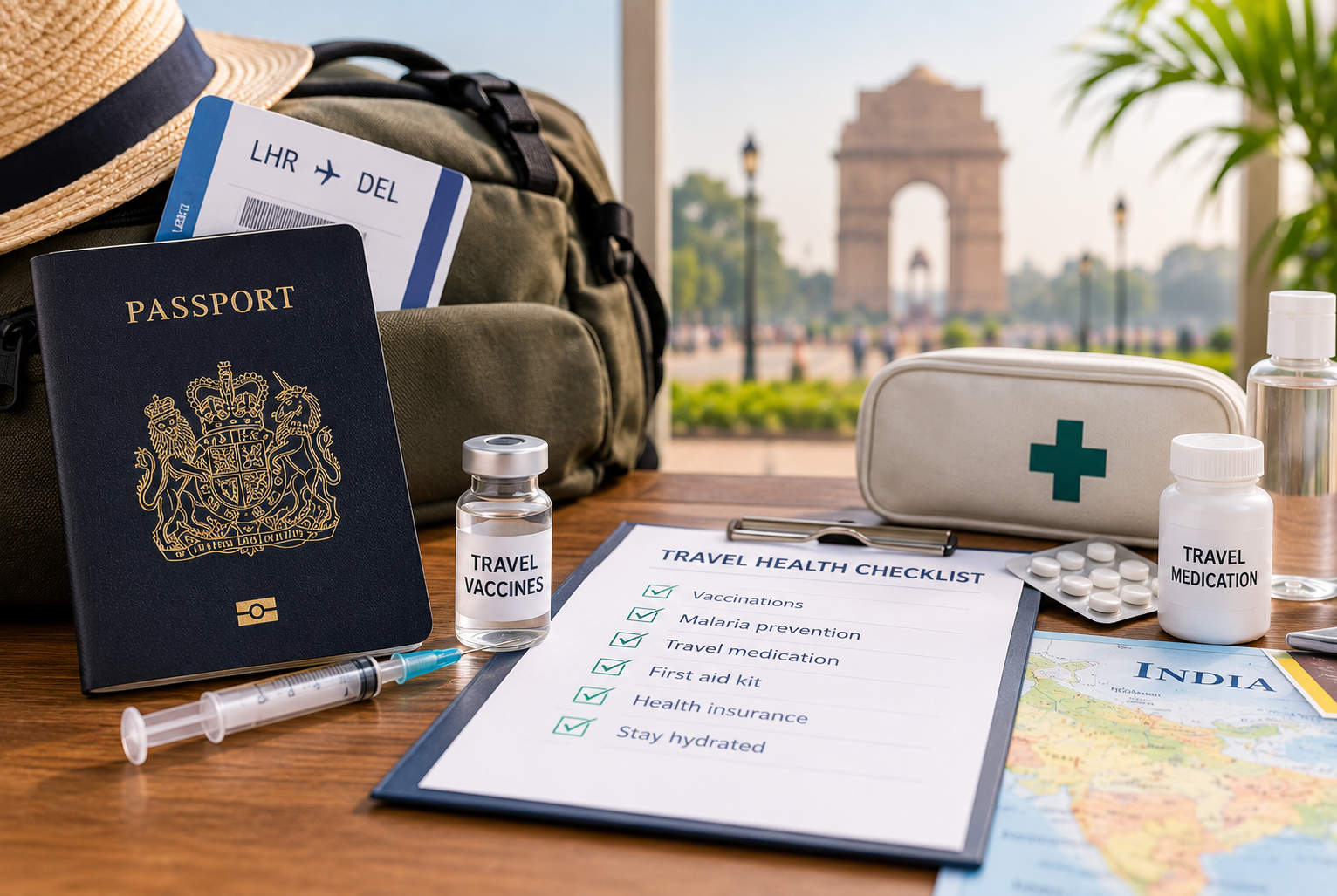
Planning a trip to India? From busy city streets to peaceful rural escapes, every journey is different, and so are the health precautions you may need. Most travellers need at least one travel vaccine, while malaria advice may also be recommended depending on where you are heading. A quick visit to a travel clinic before you fly can help you understand exactly what you need, so you can enjoy your trip with greater peace of mind.
Do You Need a Travel Clinic Consultation Before Visiting India?
It is worth having a travel health consultation before each trip to India, even if you have visited before, as your plans and health needs may be different. The NHS advises checking travel health requirements well ahead of departure, since your risk depends on your itinerary, the season, your accommodation and your health history. A pharmacist will ask about your destinations, trip length, planned activities and vaccination history, and identify anything that may need further medical advice.
Which Vaccines for India Are Usually Recommended?
Most travellers are advised to consider hepatitis A and typhoid vaccination, since both are linked to contaminated food and water and remain present across India. A travel clinic will confirm which apply to your trip.
- Hepatitis A is relevant for almost all types of trip.
- Typhoid vaccination is particularly relevant for longer stays or trips outside tourist areas.
Depending on your plans, your pharmacist may also discuss hepatitis B (for extended stays or medical settings), rabies (for rural or outdoor trips), or cholera (for higher risk settings). These depend on your individual circumstances rather than a fixed checklist.
What About Malaria Risk in India?
Malaria risk varies significantly by region and season, so there is no single answer for the whole country. A pharmacist can talk through anti-malarial options based on your destination, medical history and current medication. Anti-malarial medication is prescription only and can only be supplied following an individual assessment. Bite avoidance measures, such as repellent and covering up in the evenings, remain an important addition to any tablets.
What Other Health Preparations Matter?
There are a few other things worth thinking about before you travel. It is also worth reviewing:
- Food and water hygiene, since travellers’ diarrhoea is common after travel to India.
- Sun and heat precautions, especially in hotter months or at altitude.
- Existing medication, including supply and storage in a hot climate.
- Travel insurance, checked against your planned activities.
When Should You Book?
Ideally six to eight weeks before you fly, since some vaccines need more than one dose to become fully effective. If your trip is sooner, it is still worth booking, as a pharmacist can often adapt your schedule, though leaving it too late may mean some protection cannot be completed in full.
Book Your India Travel Health Consultation with Ham Pharmacy Group
Our pharmacist led travel clinic covers vaccine advice, malaria risk assessment and general travel health guidance tailored to your itinerary.
Book your travel health consultation with Ham Pharmacy Group today and get advice that is right for your trip before you fly.