
Anti-Malarial Medication: Which One Is Right for Your Destination?
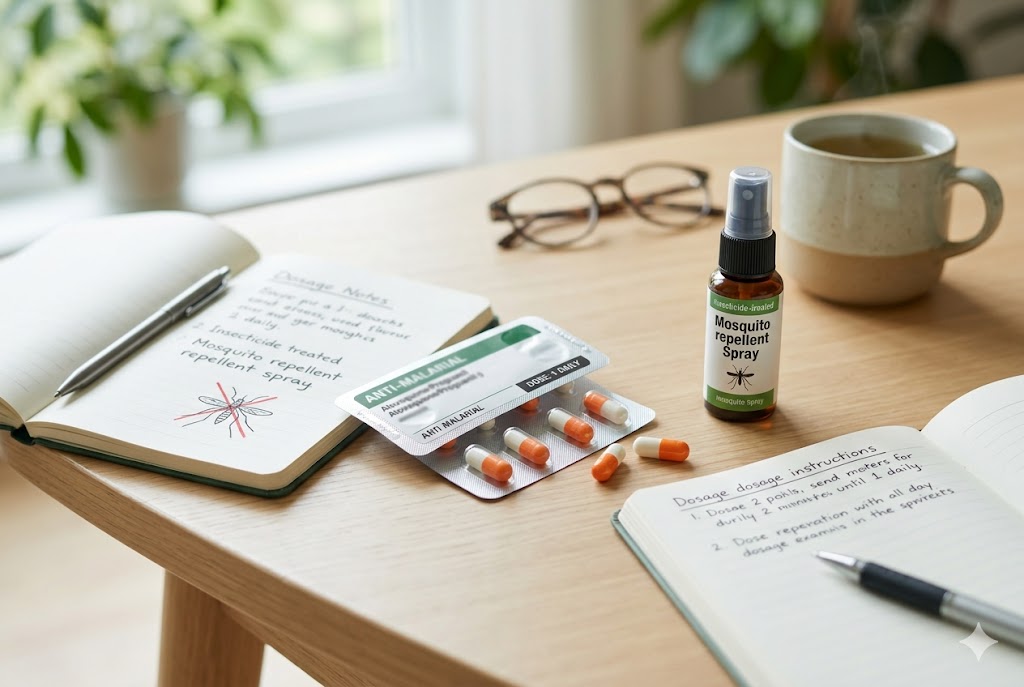
Malaria remains a serious and potentially fatal illness in many parts of the world. The right anti-malarial medication depends on your destination, the specific malaria risk in that region, your medical history and several other individual factors. Ham Pharmacy Group provides specialist travel health consultations — visit our anti-malarial service page to find out more and book an appointment.
Why Anti-Malarial Medication Cannot Be Chosen Without Advice
Different anti-malarials work in different ways and are suited to different regions. Some areas carry malaria strains that are resistant to certain medicines. Other medications are not suitable for travellers with specific medical conditions, those taking particular regular medicines, or women who are pregnant or breastfeeding.
Ham Pharmacy Group provides travel health consultations across Kingston, Richmond, Twickenham, Molesey and Worcester Park.
What Anti-Malarial Options Are Commonly Used?
The following medicines are among those most commonly considered for malaria prevention. Your pharmacist will advise on which, if any, is suitable based on your itinerary and health profile.
Atovaquone/proguanil (commonly known as Malarone)
Widely used for travel to many malaria-risk destinations, including parts of sub-Saharan Africa. Typically started one to two days before entering a risk area and continued for seven days after returning. Generally well tolerated by most travellers.
Doxycycline
An antibiotic that also provides malaria prevention. Often used in areas where other options are unsuitable or less effective. Usually started two days before travel and continued for four weeks after leaving a risk area. Not suitable for children under 12, pregnant women or those with certain sensitivities.
Mefloquine (Lariam)
Taken weekly. May be suitable for some long-term travellers, but carries a more extensive list of contraindications and is not appropriate for everyone. Requires discussion with a healthcare professional.
What Is the Best Anti-Malarial for Africa?
There is no single answer. Sub-Saharan Africa covers a wide range of transmission environments and drug-resistance patterns. Atovaquone/proguanil and doxycycline are frequently recommended for many African destinations, but the specific recommendation depends on the countries and regions you are visiting. Always receive destination-specific advice before travelling.
When Should You Start Taking Malaria Tablets?
Start times vary depending on the medicine prescribed. Atovaquone/proguanil and doxycycline are generally started one to two days before entering a risk area, whilst mefloquine should be started two to three weeks before travel. This is one reason why booking your appointment well in advance matters — visit our travel clinic to book your consultation. For more guidance on timing, read our article on when to book a travel clinic appointment before your trip.
Anti-Malarials Are One Part of a Broader Strategy
No anti-malarial medicine provides 100% protection. Malaria prevention also involves avoiding mosquito bites through appropriate clothing, DEET-based insect repellent and, where relevant, bed nets. Your pharmacist will discuss the ABCD of malaria prevention at your consultation: Awareness, Bite prevention, Chemoprophylaxis (medication) and Diagnosis.